The Gateway Hotel

Ummed Ahmedabad

 
Local Info

Food

The traditional Gujarati food is primarily vegetarian and has a high nutritional value. The typical Gujarati thali consists of varied kinds of lip smacking dishes. Gujarati cuisine is in many ways unique from other culinary traditions of India. It is one of the few cultures where a majority of people are vegetarians. This vegetarianism may have originally sprung from religious ideologies and beliefs of the region. Gujarati cuisine has so much to offer and each dish has an absolutely different cooking style. Some of the dishes are stir fry, while others are boiled. Gujarati food is more often served on a silver platter. Gujaratis use a combination of different spices and flavour to cook their meals and this is what makes their food truly exotic. The traditional Gujarati thali mostly encompasses rotli, dal or kadhi, sabzi also known as shaak and rice. People in Gujarat eat one or the other type of curry along with rice and roti. In almost every meal, Gujarati dishes usually have very subtle tastes that make it truly distinct from other Indian cuisines. Most of the Gujarati dishes are sweet, while others have a quite a large concentration of sugar as compared to salt and spices. Sometimes, jaggery is used as an alternative to sugar.


Culture

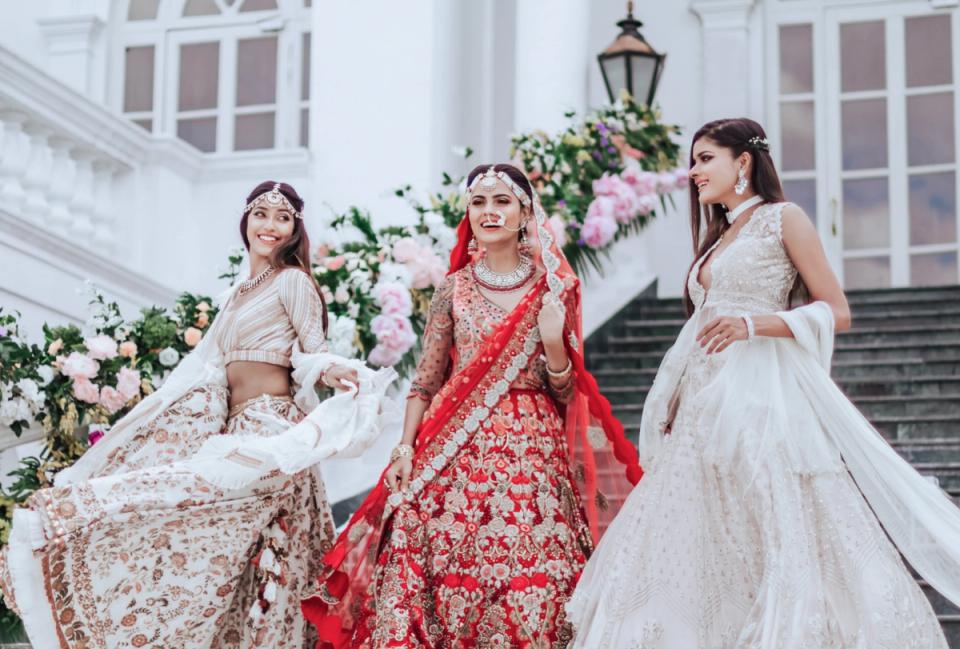
Gujarat boasts of a rich culture and heritage. The people of Gujarat are commonly refered as Gujaratis and the main language spoken by them is Gujarati. Gujarat is a flourishing state in all spheres and as a result, numerous people from different parts of India have settled here for various reasons like trade, education, etc. Though, with changing times the state has prospered and is on the path of development, its people are strongly bound by their ancient value system. People also devote considerable time towards religious practices. In concise terms, the people of Gujarat are lively and vivacious, who live in perfect harmony, while respecting each other's religious sentiments and feelings.


Gujarati Dances

Gujarat has successfully preserved its rich tradition of song, dance and drama. The best known among these are the Ras and Garba. Folk drama in Gujarat is known as Bhavai. Most of the art traditions trace back their origin to the ancient period of Lord Krishna.


Dandiya Raas
Also known as the 'stick' dance, this is another form of dance that is also a feature of Navratri. Here, men and women join the dance circle, holding small polished sticks or dandiyas. As they whirl to the intoxicating rhythm of the dance, men and women strike the dandiyas together, adding to the joyous atmosphere.

Men and women dressed in colorful clothes dance in two concentric circles - one moving clockwise, one moving counter-clockwise. Men and women carry two bamboo sticks called dandiyas in their hands. In addition to footwork, one of the most enjoyable part of this dance is the creative use of dandiyas.

The song sung on the occasion is essentially an amorous one. Raas is a very playful dance providing opportunity for acting and exchanging messages through eye contact. It is no wonder that many romances bloom during Navratri and hence the popularity of the dance among the younger generation.

Garba
The word Garba comes from the word "Garbha Deep", meaning a Light in the inner sanctum of the temple, signifying knowledge (light), as opposed to the darkness (ignorance). In the villages of Gujarat, one would find tradition of a "Light" in an earthen pot with the holes all around, placed in the center on a stool and brightly dressed ladies move around it clapping their hands in beats and singing Mataji's songs (known as Garba). A betel nut and a silver coin are placed within the pot, called a kumbh, on top of which a coconut is placed. Just as Lord Krishna popularized the Ras dance, Usha the grand daughter-in-law of Lord Krishna is credited to have popularized Lasya Nritya which is known today by the name of Garba Dance. The Garba is traditionally performed during the festival of Navratri ("Nine Nights")


Garbi
Garbi is a form of Garba Dance performed by the men folk of Gujarat. The dance is noted for the circular movements with mainly actions of speed and grace. Dandiya, Dhol, Nargha and Manjira are the main musical instruments used in Garbi. Garbi Dance is mainly held on religious festivals such as Janmashtami.


Padhar
It is performed by a rural community living around NalLake. In it, performers simulate the rhythmic movements of roving mariners and the undulating sea waves. The Bhil tribes, who live close to border tracts, and the Adivasis of Dangs district, have particularly lively folk dances.

 
Savour